Best Advertising for Local Shops in 2026
slug: best-advertising-for-local-shops-2026 · status: draft · score: 84% · 1 versions
Not yet published.
Validation
| Rule | Detail | |
|---|---|---|
| pass | No banned competitors | No banned competitors |
| pass | No emdashes | No emdashes |
| pass | Avoid AI telltale words | No AI telltale words |
| pass | Primary keyword in title | No primary keyword to check |
| pass | Use contractions | Contractions used |
| fail | Minimum internal links | Internal links not in sitemap: /resources/what-is-connected-tv-advertising, /how-it-works, /try-free, /try-free |
| pass | FAQ section required | FAQ section present |
| fail | Author assigned | No author assigned (never use 'Adwave Team' for new content) |
| pass | Industry pages need taxonomy | Not an Industry page |
| pass | Title length 50-60 | Title length 40 |
| pass | Minimum 4 images | 4 images |
| warn | SEO description under 160 | Missing seoDescription |
| pass | Adwave mention cadence | 2 Adwave mentions |
| warn | Short description present | Missing shortDescription |
| pass | Word count by type | Word count 2525 (no target for type) |
| pass | Year-dated title for evergreen types | Type not year-dated |
| pass | No manual table of contents | No manual TOC |
Images (4)
Content
Best Advertising for Local Shops in 2026
Running a local shop means competing for attention with e-commerce giants, big-box retailers, and every other business in your area. The good news? Local businesses have advantages that no online retailer can match: personal relationships, immediate availability, and community presence.
The challenge is getting noticed by the people who would love to shop with you if they knew you existed.
This guide covers the most effective advertising channels for local retail shops in 2026, from traditional methods that still work to emerging options that can give you an edge over competitors still running the same tired playbook.
What Makes Local Shop Advertising Different
Before diving into specific channels, it's worth understanding what makes advertising for local retail shops unique.
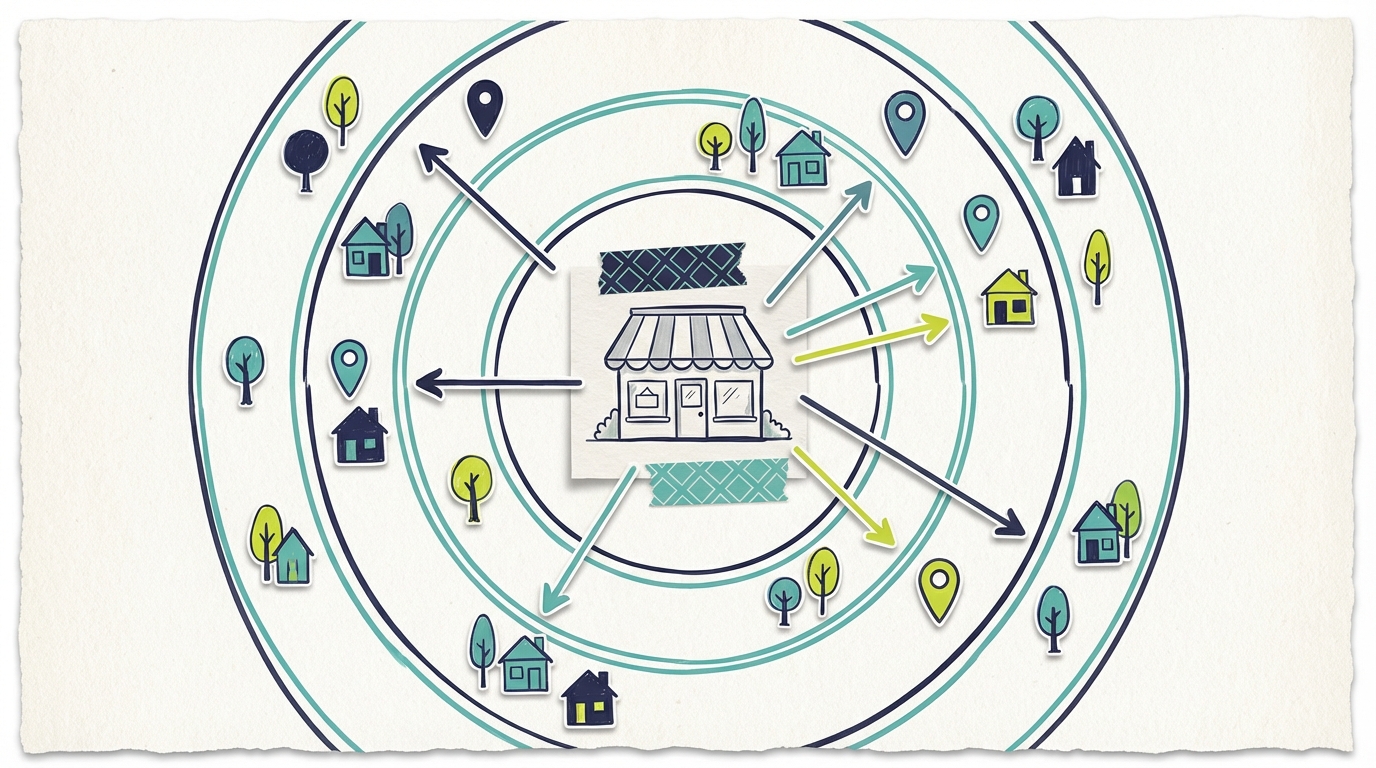
Geographic constraints matter. Your customers live and work within a certain radius of your shop. Unlike e-commerce businesses that can target anyone anywhere, you need to reach people who can actually visit your store. This constraint actually works in your favor because it makes advertising more efficient. You're not paying to reach people who will never become customers.
Foot traffic drives sales. For most retail shops, getting people through the door is the primary goal. Online presence matters, but the conversion happens in person. Your advertising should focus on driving physical visits, not just clicks and impressions.
Repeat customers are everything. A first-time visitor who becomes a regular customer is worth far more than their first purchase. Advertising that builds awareness and trust often pays off over months or years, not immediately.
Competition is local. You're not competing with every retailer in the country, just the ones in your area. This means local advertising channels are often more effective than national platforms where you're drowned out by larger budgets.
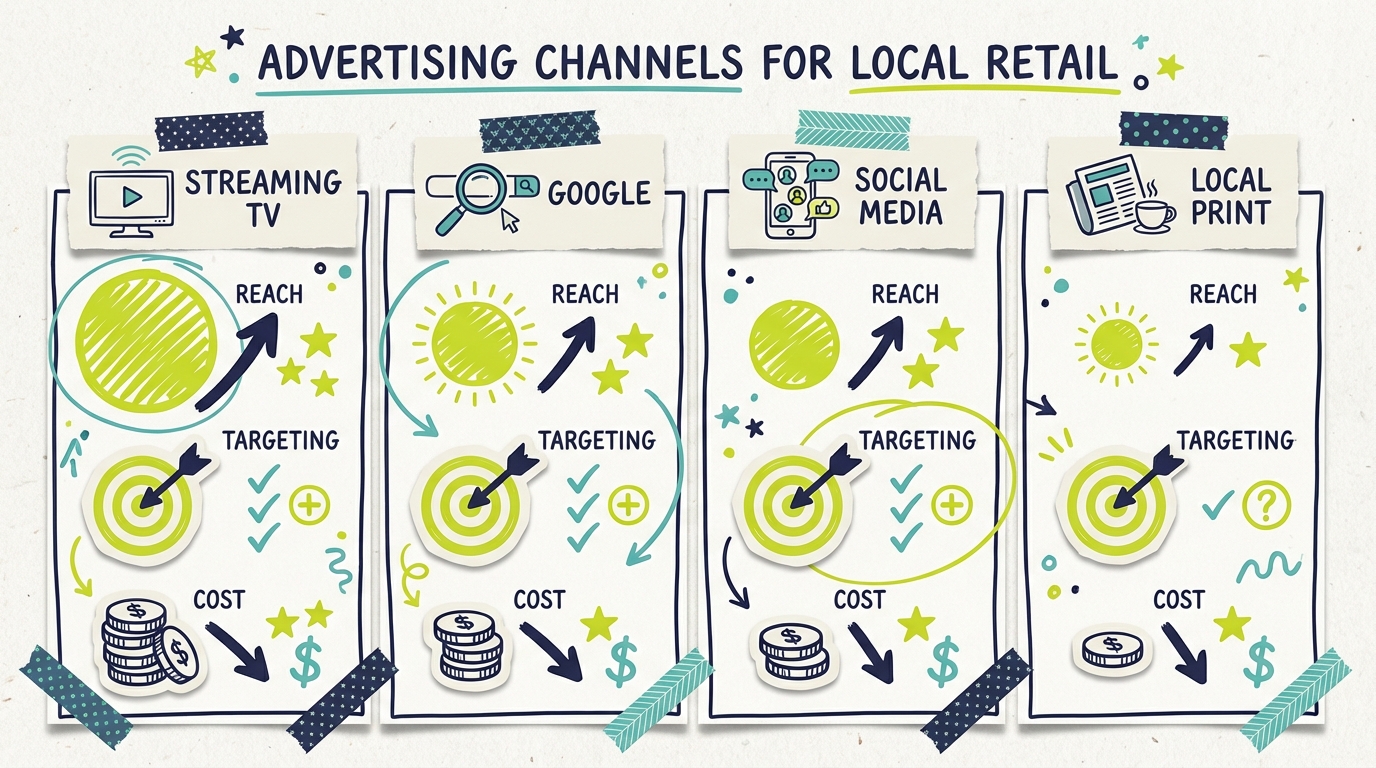
Streaming TV Advertising
Television advertising was once reserved for businesses with massive budgets. That's changed dramatically. Connected TV (CTV) advertising through streaming platforms has made TV accessible to local shops of any size.
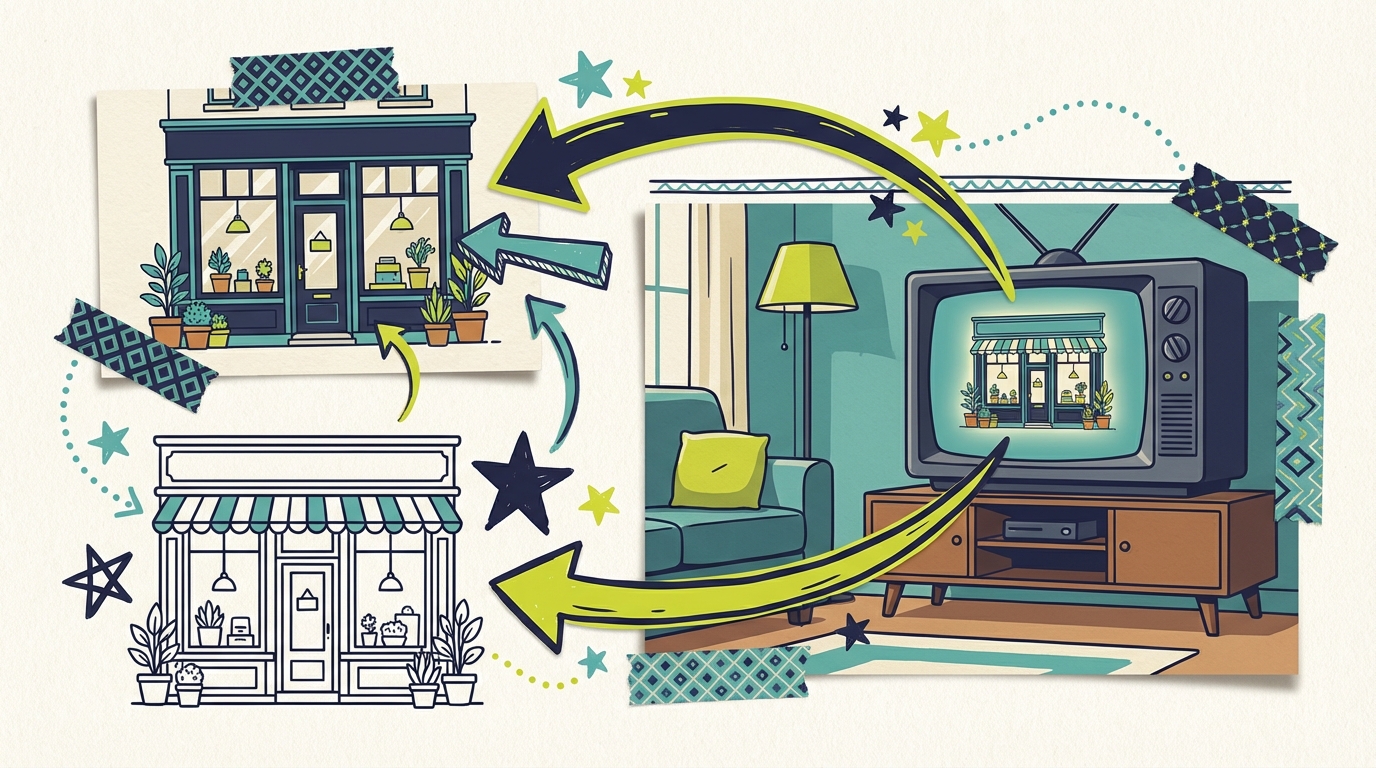
When your customers watch Hulu, Peacock, Tubi, or other streaming services, they see ads that look exactly like traditional TV commercials. Same living room, same big screen, same lean-back viewing experience. But unlike traditional TV, streaming platforms let you target specific geographic areas, demographics, and interests.
Connected TV advertising offers several advantages for local retail:
Premium positioning. Appearing on TV signals that your shop is established and trustworthy. Consumers perceive businesses they see on TV as more credible than those they encounter only on social media.
Geographic targeting. You can target viewers specifically in your shop's trade area, down to specific zip codes. You're not paying to reach people who live too far away to visit.
Full attention. TV viewers typically watch ads completely. Unlike social media where people scroll past or skip, streaming TV delivers your full message to an engaged audience.
Affordable entry. With Adwave, you can create a professional TV commercial and launch a campaign starting at just $50. That's within reach for virtually any local shop.
The production barrier has also dropped dramatically. AI-powered tools can generate broadcast-quality commercials from your existing content, including website, photos, and product information, in minutes rather than weeks.
For local shops, streaming TV advertising works particularly well for building awareness, driving foot traffic during sales events, and establishing your shop as a legitimate presence in the community.
Google Advertising
Google remains the dominant force in local business discovery. When people search for products you sell or shops like yours, appearing prominently in search results matters enormously.
Google Business Profile is the foundation. Claim and optimize your listing with accurate hours, photos, products, and descriptions. Encourage reviews from happy customers. This free visibility in Google Maps and local search results often outperforms paid advertising.
Local Search Ads put your business at the top of search results when people look for what you sell. Someone searching "running shoes near me" might see your athletic shop before the organic results. You pay only when someone clicks, and you can set geographic boundaries to reach only your trade area.
Local Inventory Ads show shoppers that you have specific products in stock nearby. When someone searches for a product, they see your shop with price and availability. This is particularly powerful for shops competing with online retailers because you offer immediate availability.
Performance Max campaigns combine multiple Google ad formats automatically. Google's algorithms optimize across Search, Display, YouTube, and Maps to drive your chosen goal, whether that's store visits, calls, or website visits.
The key to Google advertising for local retail is starting with clear geographic boundaries. Limit your campaigns to areas where customers realistically drive from. Broader targeting wastes budget on people who will never visit.
Social Media Advertising
Social platforms offer powerful targeting for local businesses, but effectiveness varies significantly by platform and shop type.
Meta (Facebook and Instagram) remains the workhorse for local retail advertising. You can target people by location, interests, behaviors, and demographics with remarkable precision. A boutique clothing shop can reach women aged 25-45 within 10 miles who are interested in fashion. A pet store can target dog owners in specific neighborhoods.
Facebook and Instagram work particularly well for visually appealing products. Fashion, home decor, gifts, food, and lifestyle products all perform well when you can show beautiful imagery. Carousel ads let you feature multiple products. Video ads capture attention in feeds.
Local awareness ads specifically optimize for reaching people near your business, and store visit objectives track when ad viewers actually come to your shop.
TikTok has emerged as a discovery platform where organic content can reach massive audiences. Local shops that create authentic, entertaining content sometimes see viral moments that drive significant foot traffic. TikTok ads offer geographic targeting, but the platform's strength is really in organic content that feels native to the platform.
Pinterest works for shops whose products people plan and dream about: home decor, fashion, crafts, gardening, and food. Pinterest users are actively looking for inspiration and often have purchase intent. Promoted Pins can drive both online research and in-store visits.
Nextdoor specifically connects neighbors, making it ideal for truly local businesses. The platform reaches people within neighborhoods rather than broader areas. Recommendations from neighbors carry weight, and advertising on Nextdoor feels more community-oriented than other platforms.
Local Print and Direct Mail
Digital dominates the conversation, but traditional channels still work for many local shops.
Direct mail reaches people at home without competing for screen attention. Postcards, catalogs, and promotional mailers land in mailboxes where people actually look at them. Response rates for direct mail often exceed digital channels, particularly for older demographics.
USPS Every Door Direct Mail lets you target specific mail routes without needing addresses. You select the neighborhoods, and your mail goes to every household. This works well for new shop openings, major sales, or reaching areas where you want to build awareness.
Local newspaper advertising has declined significantly but still reaches certain audiences, particularly older residents who read local publications. Community newspapers, alternative weeklies, and neighborhood publications can be cost-effective for the right businesses.
Magazine advertising in local lifestyle publications, community magazines, or regional glossies can build prestige and reach affluent audiences. These tend to be more expensive but position your shop alongside quality content.
Flyers and door hangers work for hyper-local reach. A shop can target specific streets or neighborhoods with physical materials. This grassroots approach costs little but requires effort.
Local Partnerships and Community Marketing
Some of the most effective advertising isn't advertising at all, but rather community involvement that builds awareness and goodwill.
Cross-promotions with complementary businesses expand your reach without additional cost. A home decor shop might partner with a local interior designer. A pet store might work with a dog groomer. You each promote the other to your existing customers.
Local event sponsorships put your name in front of community members during meaningful moments. Sponsoring a little league team, a charity run, a farmers market, or a festival connects your shop with positive community experiences.
Chamber of commerce involvement provides networking opportunities and visibility among other business owners and community leaders. Many chambers offer advertising opportunities, referral programs, and events where you can connect with potential customers.
Charity partnerships align your shop with causes your community cares about. Donating a portion of sales, hosting fundraising events, or providing products for auctions builds goodwill while generating awareness.
Local influencer partnerships work similarly to social media influencer marketing but focus on people with local followings. A popular local food blogger, a neighborhood Facebook group administrator, or a community figure can introduce your shop to their audiences.
Email Marketing
Email remains one of the most cost-effective marketing channels for local retail, but it requires building a list first.
Collect emails at point of sale. Ask customers if they'd like to receive updates about sales, new products, and events. Many will say yes, especially if you offer an incentive like a first-purchase discount.
Send valuable content, not just promotions. Newsletters that share styling tips, product highlights, or behind-the-scenes content perform better than constant sales pitches. Balance promotional messages with genuinely useful information.
Segment your list. Customers who buy certain product categories should receive targeted messages about those products. Frequent shoppers deserve VIP treatment. Lapsed customers might need a win-back offer.
Automate where possible. Welcome sequences for new subscribers, birthday offers, and post-purchase follow-ups can run automatically once set up.
Email marketing costs almost nothing per message, which makes it extremely efficient for driving repeat visits from existing customers.
Outdoor and Location-Based Advertising
Physical advertising in and around your community creates constant visibility.
Storefront signage is your most visible advertising. Make sure your sign is attractive, readable, and well-lit. Window displays that showcase products and change regularly draw attention from passersby.
Billboards and outdoor advertising create awareness among people who regularly travel certain routes. Digital billboards offer flexibility to change messages and target specific times. Static billboards provide constant presence.
Vehicle wraps turn company vehicles into mobile advertising. A delivery van or company car with your branding drives through neighborhoods constantly.
Shopping center advertising reaches people already in a shopping mindset. Directory listings, common area displays, and kiosk advertising can all drive traffic within retail centers.
Putting It Together: A Multi-Channel Strategy
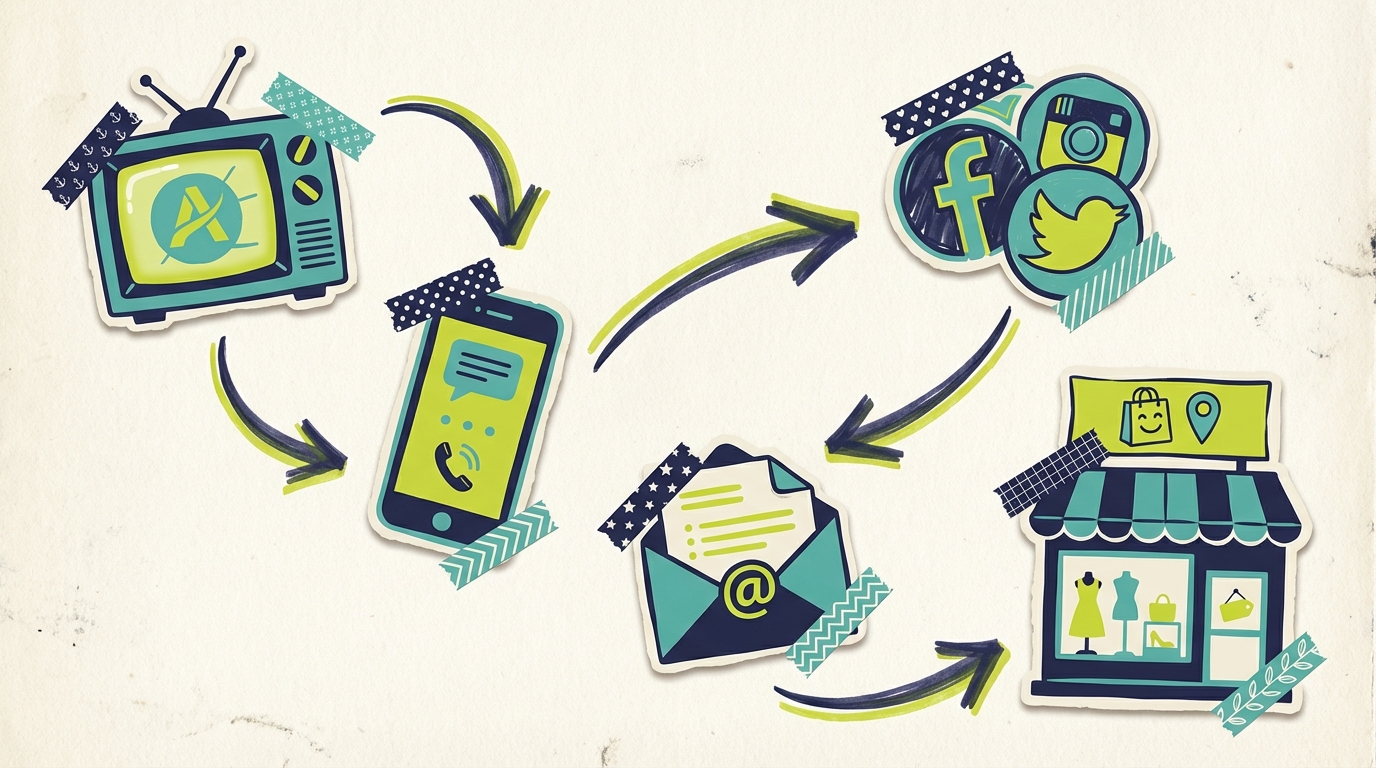
The most effective advertising strategies for local shops combine multiple channels working together. Here's a practical approach.
Start with your foundation. Make sure your Google Business Profile is optimized, your social media presence is active, and you're collecting customer emails. These cost little but provide ongoing value.
Add awareness advertising. Streaming TV builds credibility and reach among people who don't know your shop exists. Even modest budgets create impressions that compound over time. Adwave lets you launch TV advertising starting at just $50.
Drive immediate action. Google Search ads capture people actively looking for what you sell. Social media promotions announce sales and events. Email campaigns bring existing customers back.
Build community presence. Partnerships, sponsorships, and local involvement create goodwill that advertising alone can't buy.
Measure and adjust. Track which channels drive foot traffic and sales. Ask customers how they heard about you. Shift budget toward what works.
Measuring Results for Local Retail
Unlike e-commerce where everything can be tracked digitally, measuring advertising effectiveness for physical retail requires some creativity.
Ask customers. "How did you hear about us?" is simple but effective. Train staff to ask and track responses. This provides qualitative data about which channels drive actual visits.
Track foot traffic. Some POS systems and foot traffic analytics tools can measure store visits over time. Correlate traffic patterns with advertising campaigns.
Monitor coupon redemption. Unique codes or coupons for different channels reveal which advertising drove action.
Watch Google analytics. Increases in branded searches, website visits, and "directions" clicks from your Google Business Profile indicate advertising is working.
Calculate customer acquisition cost. Divide advertising spend by new customers acquired during that period. This helps compare channel efficiency.
Common Questions Answered
How much should a local shop spend on advertising? A common guideline is 7-10% of revenue for established businesses, more for new shops trying to build awareness. Start with what you can afford to test, learn what works, then scale successful channels.
Which advertising channel works best for local retail? It depends on your shop, customers, and goals. Google captures people actively searching. Streaming TV builds broad awareness. Social media engages specific demographics. Email drives repeat visits. The best strategy usually combines multiple channels.
Should I advertise year-round or just during busy seasons? Year-round presence builds awareness that pays off during peak seasons. However, increasing advertising during key periods (holidays, back-to-school, local events) makes sense. Don't go completely dark between campaigns or you lose momentum.
How long does advertising take to work? Some channels (Google Search, promotions) drive immediate response. Others (TV, awareness campaigns) build over weeks and months. Expect 8-12 weeks to see meaningful patterns from most advertising efforts.
Can I do advertising myself or should I hire someone? Many local shops successfully manage their own advertising, especially with user-friendly platforms. If you have more money than time, agencies and freelancers can help. Start by learning the basics yourself so you can evaluate whether help is worth the cost.
What's the best way to test new advertising channels? Start with a small budget and a clear goal. Run a test campaign for 4-6 weeks with consistent messaging. Track results carefully, whether that's foot traffic, sales, or customer inquiries. Compare cost per new customer to your profit margins. If the math works, scale up. If it doesn't, try different creative, targeting, or channels before giving up entirely.
How do I advertise seasonal products or sales events? Start promoting 4-6 weeks before the event or season begins. Build awareness early, then increase frequency and urgency as the date approaches. Use multiple channels: streaming TV for broad reach, social media for engagement, and email for your existing customers. Create a sense of urgency with limited-time offers or exclusive early access for loyal customers.
Should I focus on brand awareness or direct response advertising? Both matter, but they serve different purposes. Brand awareness advertising (TV, billboards, sponsorships) builds recognition over time and pays off when customers are ready to buy. Direct response advertising (Google Search, promotions) captures immediate demand. New shops often need more awareness building. Established shops can focus more on capturing existing demand. The ideal strategy usually includes both.
The Bottom Line
Local shops have real advantages over online retailers: immediate availability, personal service, community presence, and the ability to create experiences that e-commerce can't match. Effective advertising helps people discover those advantages.
The channels have evolved, but the goal hasn't changed: get the right message in front of the right people often enough that they think of your shop when they're ready to buy.
Start with the channels that match your budget and goals. Test what works for your specific shop and community. Build a multi-channel presence that creates awareness, drives foot traffic, and keeps customers coming back.
Ready to get your shop on TV? Create your first commercial in minutes and reach local viewers on streaming platforms, starting at just $50.
Version history
| Version | When | Summary |
|---|---|---|
| v1 | 6/20/2026, 3:11:54 AM | migration import |